
Hazardous production facility outsourcing
We run your hazardous facility from identification and registration to reporting and dealing with the regulator.
First consultation is free
HSE Company group clients
















What it is
Your facility’s industrial safety is our job
Hazardous production facilities are sites that use explosive and flammable substances, pressure equipment or lifting equipment, or carry out mining. Requirements are set by the Law “On Industrial Safety of Hazardous Production Facilities” (ZRU-57), and oversight is carried out by the Committee for Industrial, Radiation and Nuclear Safety under the Cabinet of Ministers. With outsourcing, these duties are performed under contract by an external team of engineers: we handle documentation, production control and review deadlines, while you focus on production.
- Responsibilities
- Outsourcing does not remove it from the owner, but it removes the routine.
- Deadlines
- Reviews, attestations and knowledge tests are under our control.
- Transparency
- Once a month the manager receives a short status report.
What's included
What ongoing support includes
- 01Identification and registrationWe identify hazard criteria and prepare documents to register the facility in the state register of hazardous facilities.
- 02Production controlWe draft the regulations, run scheduled checks and keep the logs.
- 03Industrial safety reviewWe track deadlines and organise reviews of technical devices, buildings and documentation.
- 04Mandatory documentationIndustrial safety declaration, accident response plan, instructions and procedures.
- 05Staff trainingWe keep the training and knowledge test schedule for managers and workers.
- 06Working with the regulatorWe prepare the site for inspections, accompany them and respond to orders.
Comparison
In-house specialist or outsourcing
In-house specialist
- Salary, taxes, training, holidays and sick leave
- One or two people for all areas
- Illness or resignation stops the work
- Changes in regulations — if the specialist keeps up
- Responsibility within an employment contract
SKS outsourcing
- Fixed fee under the contract
- A team of engineers with different profiles
- Replacing a specialist is our job
- We track regulatory changes for all clients at once
- Scope and result are fixed in the contract
Who it's for
Who needs this service
Oil, gas and chemicals
Facilities with explosive and flammable substances.
Boiler houses and pressure equipment
Boilers, vessels, pipelines.
Companies with cranes
Lifting equipment in production and construction.
Mining
Quarries, mines, processing.
Documents
What you receive
We hand over documents you can show to inspectors, clients and management.
Facility documents
Production control regulations, logs, instructions and procedures.
Deadline schedule
Reviews, inspections, knowledge tests.
Monthly report
What has been done and what needs a decision.
Responses to orders
Inspection readiness and working with the regulator.
Why SKS
Why clients choose us
Our own specialists
Certified engineers, auditors and experts on staff, not subcontracted.
International standards
We train managers under the IOSH programme and follow international safety practice.
Comprehensive approach
From a single document to fully outsourced turnkey safety.
Training after the inspection
If the inspection reveals gaps in knowledge, we train staff at our own training centre.
Uzbekistan. We work in Tashkent and travel to sites across the country.
How we work
How the work is done
Week 1: audit
We inspect the site and check documents and the dates of reviews and attestations.
Week 2: plan
We agree on what needs to be brought into compliance and in what order.
Weeks 3–4: documents
We restore what is missing and issue orders and the production control schedule.
Then: ongoing support
Scheduled checks, deadline control and preparation for regulator visits.
Every month: report
A short status report to management.
Photos
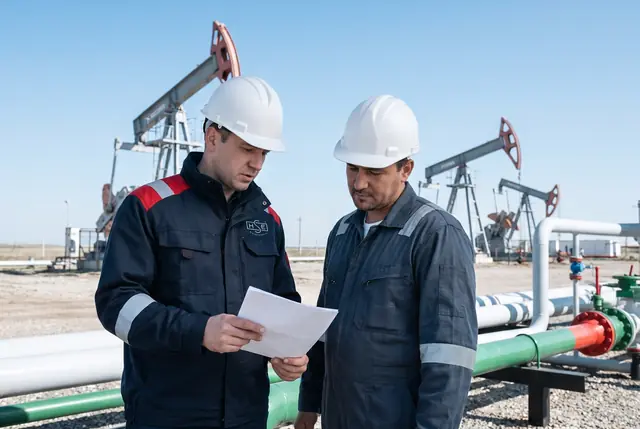
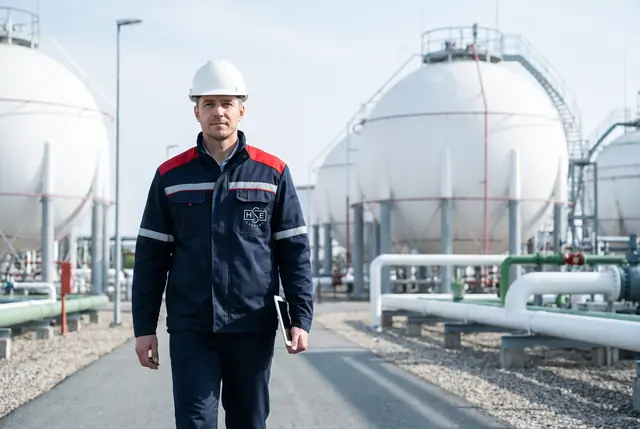
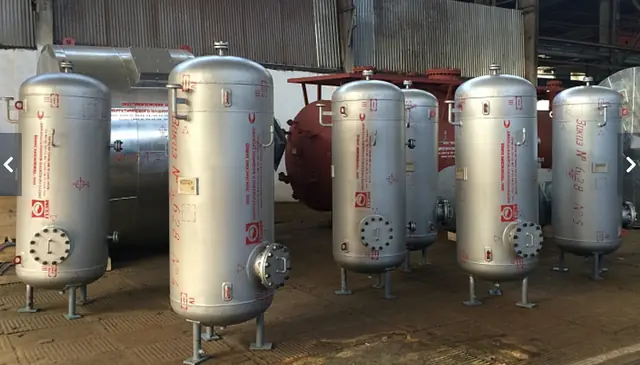
What the work on site looks like

Questions
Frequently asked questions
Didn't find the answer? Message us — we'll reply during working hours.
Ask on TelegramDoes outsourcing remove the owner’s responsibility?
No, legal responsibility stays with the owner. Outsourcing removes the routine: we handle deadlines, logs, reports and inspection readiness.
How does work on site start?
With an audit in the first week: we inspect the site and check documents and the dates of reviews and attestations. Then we agree a plan and put the documents in order.
How will we know everything is in order?
Once a month the manager gets a short report: what has been done, which deadlines are coming up and what needs a decision.
Do you train the site staff?
Yes, we keep the training and knowledge test schedule ourselves. Courses are run by our training centre, for example industrial safety.
Request sent
Thank you! A manager will call you back during business hours.
Prefer to write right away? We reply on Telegram during working hours.
Message on TelegramFree consultation
Hand over industrial safety to a specialist team
We'll answer your questions, estimate the scope and help you avoid overspending on safety.
Request sent
Thank you! A manager will call you back during business hours. If you prefer, message us on Telegram: +998 50 018 02 78.